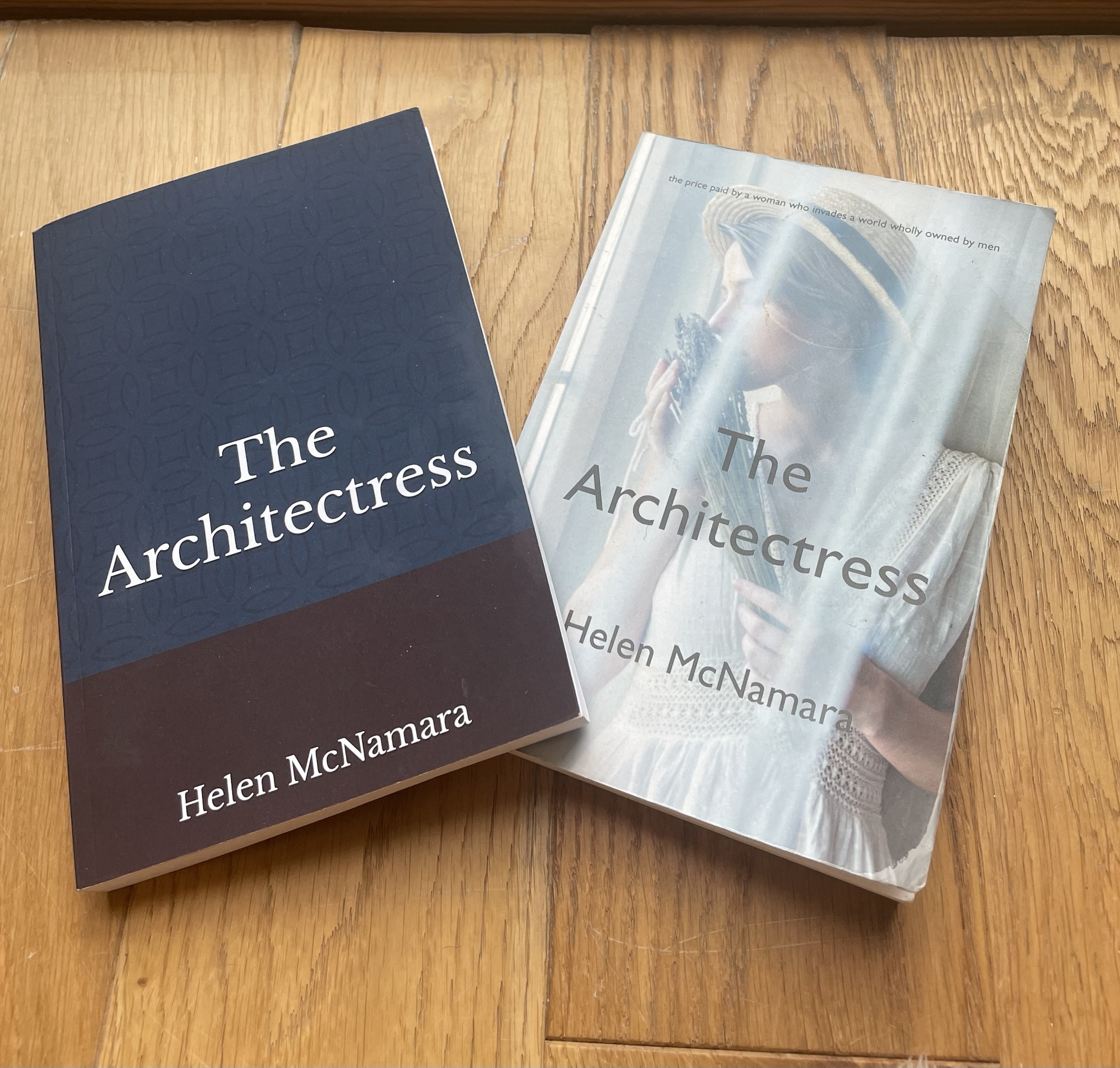
Verified purchasers of The Architectress on Amazon: https://www.amazon.co.uk/Architectress-Helen-McNamara/dp/1973471019?dplnkId=db7b6137-f468-4bc9-a4ee-e00fea92c49a&nodl=1
“An excellent read; I want a film of it too! Well-researched and beautifully written, I was gripped from start to finish. As one of the other reviewers says, it needs to be better-promoted. I am recommending it to everyone I can think of”
“Excellent read. The Architectress is not only a great story but also a well researched piece of architectural history. I would thoroughly recommend to anyone who enjoys a beautifully written story which accurately reflects the style and era in which it is based.”
“A really engaging read, with beautifully constructed characters and a well paced story. The author has clearly researched the topic thoroughly and has built a wonderful story around it. Highly recommend.”
“I loved this book. Full of relevant architectural facts and references, human interest with well researched characters and very thoughtfully written. A gem!”
“Brilliant, an enchanting read, I definitely recommend it. Can’t believe this is a “first book”.”
“Enjoyed this book. Really enjoyed it.
It’s first worth noting, I’m a bloke. A Scottish one at that. Catch me reading polite Bronte-like dialogues, full of passions, vapours (whatsoever those are) and shy sideways glances? Hah! Would I languish in esoteric architecture and design movements of the early twentieth century? Huh! Normally, mere mention of the word ‘Edwardian’ would cause my ring-pull finger to twitch, or my log-chopping tendencies to come to the fore.
And then I picked up my tablet to read this lovely and most readable e-book.
The first thing I noticed, through scanning its table of contents, was its beautifully-considered chapter structure – hinting with intent at the colours, textures and shapes of the tales within. Swiping back and forth, between the book’s ‘front matter’ and ‘prologue’, I soon began to develop a natural sense for the book’s contexts and its settings, its inspirations and motivations, the reasons why it was written, lovingly. I read on.
There were the parallels and symmetries, the proportions and scales, too. Underlying the stories of two fascinating women – daughter and mother – sat two North Sea countries and several cities, two destructive world wars, periods of extreme upheaval and change – philosophical and cultural and well as political and embittered; sewn-together with a most sensitively applied common thread. The research, and the research behind the research, was cleverly managed and set into play throughout. The writer’s own creative knowledge and passions leached-through, but not at the expense of the story, or stories, being told.
The people, the characters, were real enough; men and women alike. Characters developed through their often flawed circumstances and experiences – just like the rest of us; but characters, too, with independent minds, and with life choices or mistakes to make. I found myself, as one often does in a good book, relating with all of them; sensing where their hearts and minds had come from and were going; empathising with their pains and pleasures; sharing their complex personal perspectives.
It would have been too easy, in many respects, for this amateur reviewer to over-indulge in the many fascinating themes or sub-themes which inhabit these lovely stories – art, design and architecture; so-called bohemian society; sometimes fragile human relationships; subtle, intuitive feminism; bereavement and loss; and especially love – but I managed mostly not to. I simply enjoyed the weaving of stories for their own sake. I even found the warp and weft quite ‘gripping’, as I was drawn towards the book’s (no, I won’t say inevitable) skillfully-honed conclusions.
A lovely read. Thank you, Helen McNamara. This bloke impressed.
Note: If I find myself at all disappointed, it is only for this reason: While out there in the ether, for anyone to discover, ponder over and read it, I really think this book deserves traditional print-on-paper publication and promotion. I think it even warrants Folio Society-style illustration, and type set by a master-typographer, true to the historical periods in question; and I can easily visualise it cloth-bound and embossed, gracing our bookshops, libraries and on my own closer-to-hand bookcase.”

