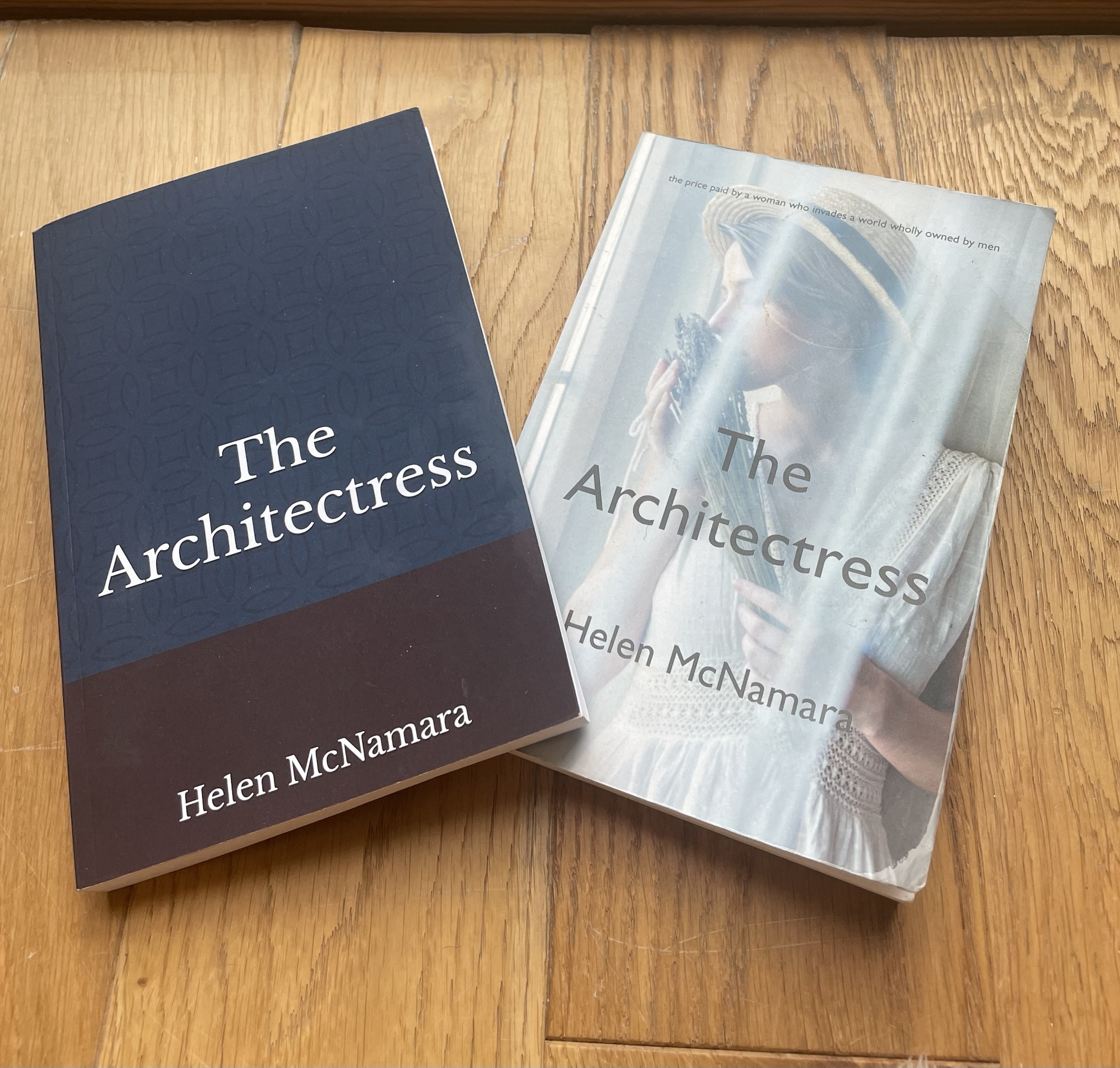
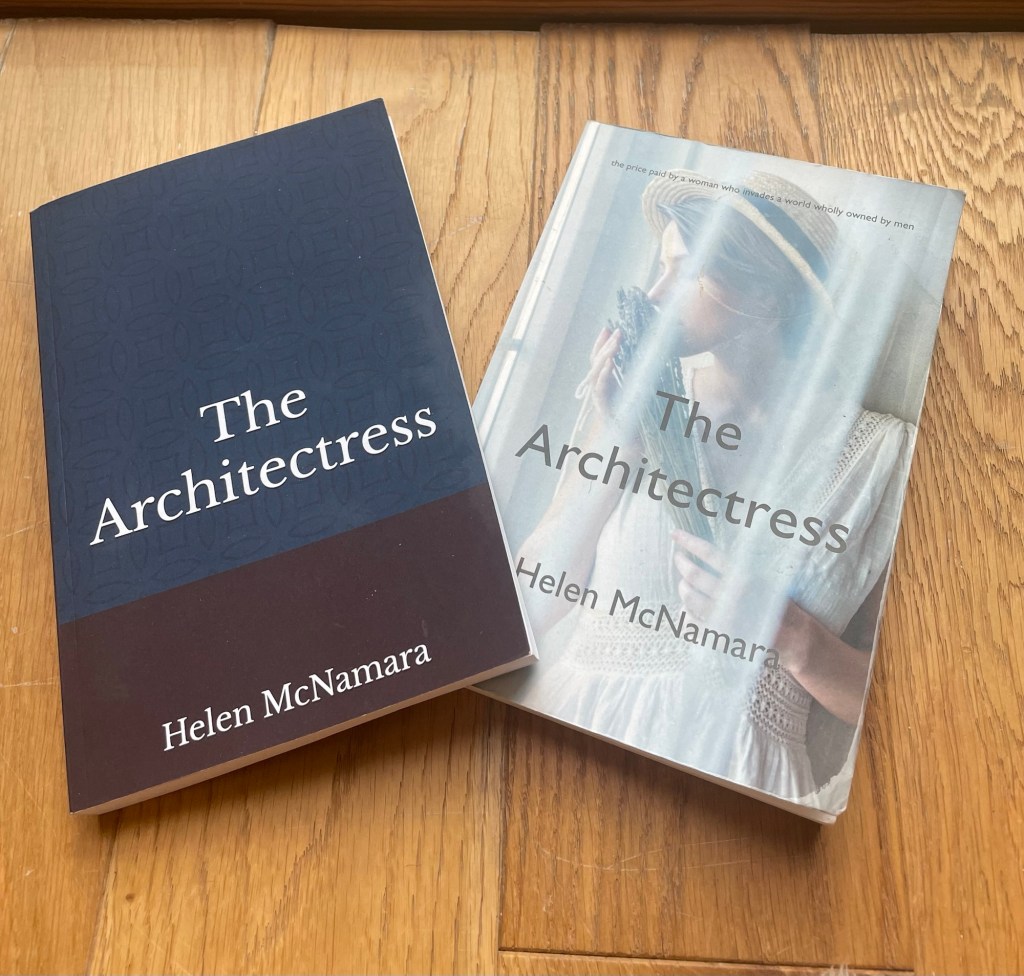
The Architectress: A Novel
In 1909 Ailsa Bray is a young and unworldly Scot, brought together by a mutual interest in design with bohemian Dutch socialite Truus Schräder in the heady social and political climate of Edwardian London. Truus is already advocating an unconventional style of family living, deemed scandalous at the time, and will go on, in 1924, to inspire and collaborate in the development of the first truly modern house, the Rietveld Schröder House in Utrecht, with her lover and kindred spirit, De Stijl architect Gerrit Rietveld.
The two women consolidate a bond of friendship and shared ideals: to live simple lives unfettered by society’s norms and to design homes where women are freed from the trappings of domestic work and children flourish in open, loving and stimulating environments. Ailsa becomes the first woman to study architecture in the creative surroundings and culture of the new Mackintosh designed Glasgow School of Art and later, exiled through the Great War in the neutral Netherlands, under a Dutch modernist. She finally achieves her dream of an independent professional life with her daughter Trudi when their world falls apart.
Meanwhile, in 1940 a troubled young woman by the name of Gertrude is closing the door on her life under her controlling father, escaping to study in wartime Aberdeen before fleeing to London following a scandal, finally retiring to the Glasgow townhouse that holds within its stone walls the essence of her lost mother Ailsa, someone she has been denied all knowledge of. Her life is turned upside down when an eccentric old lady in the Netherlands writes and asks her to make contact at the earliest opportunity.
This story, told through the dual narrative of mother and daughter, has as its backdrop a century of design, from the Glasgow Style, The Early Modernists, post war British Industrial Design to 21st Century Minimalism, as it ebbs and flows back and forth across the North Sea between Glasgow, Aberdeen, London and the Netherlands. It tells of loss and redemption through a century of change for women, and the price paid by one who dared to inhabit a profession wholly owned by men.

